News
Heritage in the Draft NPPF: A More Plan-Led and Positive Approach
20 April 2026

Sam Elliott Associate Director London


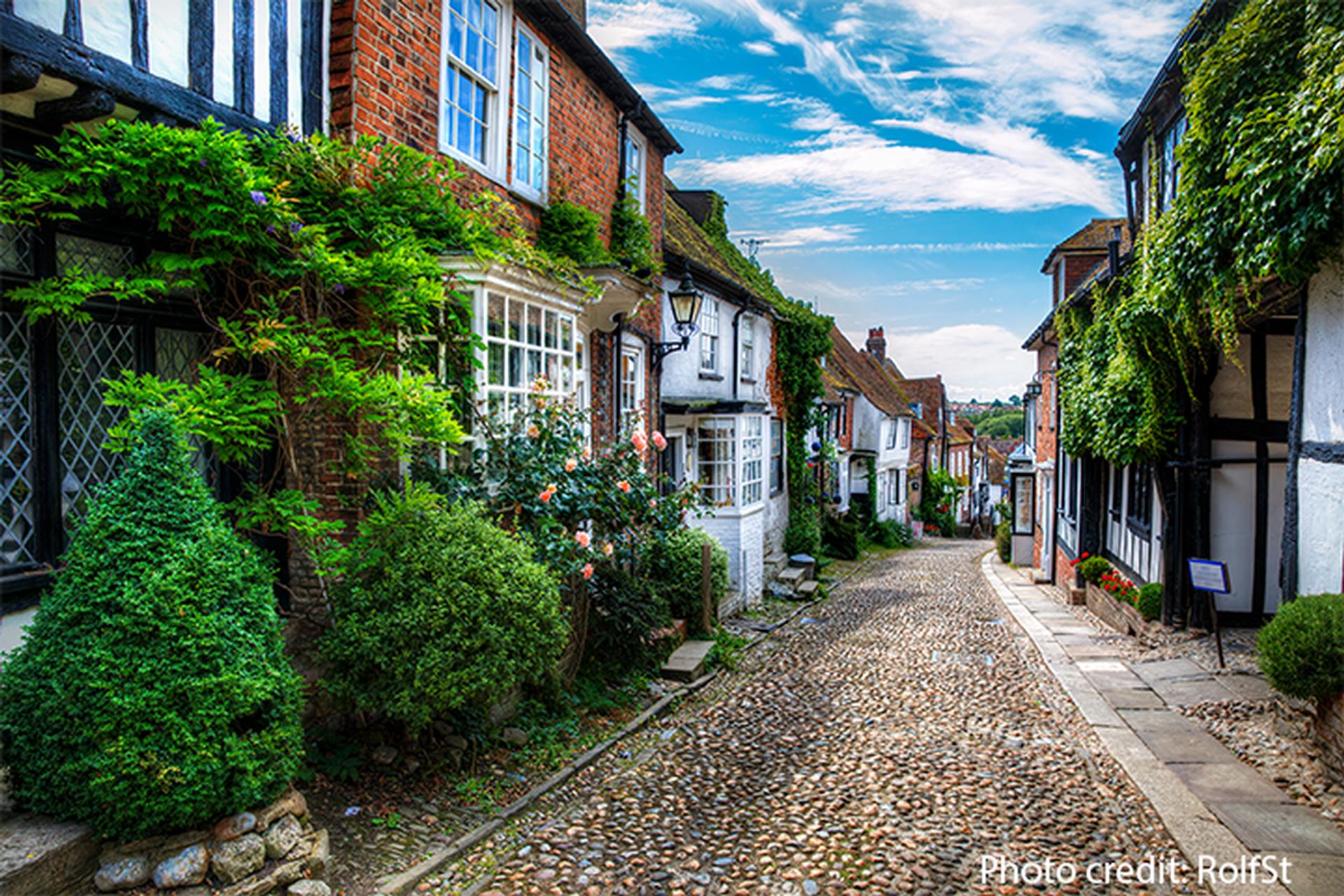
The Draft NPPF (Dec 2025) represents one of the most significant refreshes of national heritage policy in over a decade.
The emerging policy signals a clear intention to move heritage considerations decisively upstream, to the plan making stage. Whilst flexibility and room for competing voices must not be stifled by policy, it is correct to recognise that heritage expectations could be set more clearly through local plans and guidance, rather than being revealed piecemeal, site by site.
Central to this shift is the proposed requirement for Councils to produce a local list for Non-Designated Heritage Assets (NDHA). The intention is sound: to regularise the relationship between designated and non-designated heritage assets and reduce uncertainty at the outset of the process. For applicants, knowing what is going to be considered an NDHA before work begins is infinitely preferable to discovering it midway through a pre-application meeting. Where late-stage disagreement can be avoided, it can only be beneficial.
However, good intentions only go so far. Historic England has estimated that around 30% of local planning authorities do not currently maintain a local list, and many that exist are draft, outdated, or difficult to access. If local lists are to carry the weight envisaged by the Draft NPPF, the policy needs to be explicit that they are mandatory and publicly available. For me, consistency of formatting and transfer onto an (ideally interactive) policy map, would also not go amiss.
This seems a sensible place to flag the unavoidable tension that runs through the draft chapter: capacity. Producing and maintaining local lists, identifying assets at most risk in plan preparation, and applying a more nuanced approach to impact assessment all require specialist input. In the face of a heritage sector skills gap and conservation officers already at full stretch, there is a real risk that aspiration runs ahead of delivery.
But back to positives. The Draft NPPF recognises and reinforces the point that development proposals can have a positive effect on heritage assets and in such cases, they should be approved. This represents a move away from a harm-led narrative and aligns more closely with the established definition of conservation as 'the management of change'. This is strongly welcomed.
There are still areas that would benefit from clarification. The draft removes references to "less than substantial harm" without further breaking down degrees of harm below the 'substantial' category. Without stronger alignment with the Planning Practice Guidance — which asks decision-makers to identify the extent of harm within each category — the assessment of the lower category of harm will likely stay reasonably consistent, albeit with a more digestible name.
A further point that jumps out is the removal of the "optimum viable use" test, which signals a move away from viability gymnastics and the stress testing of uses that you're not seeking. This is balanced by the introduction of "important public benefits", particularly in relation to re-using vacant or underused listed buildings. It will be interesting to see the weight applied to the newly elevated 'important public benefits'.
Overall, the Draft NPPF's heritage chapter sets a positive direction of travel. It is clearer, more plan-led, and more confident about the role development can play in securing good heritage outcomes. But as ever, the success of heritage policy depends not just on what is written, but on how it is interpreted, resourced, and applied — preferably with a shared understanding that conserving the historic environment does not mean putting it in a display case and hoping for the best.